
Thoughts on craft,
design & the web.

Is a Headless CMS the Right Choice for Your Enterprise Website?
A headless CMS can improve speed, scalability, and omnichannel publishing, but it also introduces new technical demands, workflow tradeoffs, and migration costs. This guide explains when headless is the right enterprise move in 2026—and when a traditional CMS still makes better business sense.

Should Enterprise Brands Switch to a Headless CMS?
For enterprise brands, the right CMS architecture is rarely a simple upgrade decision. This guide explains when headless CMS delivers real gains in performance, flexibility, and SEO—and when a traditional CMS still offers better operational efficiency, lower complexity, and stronger editorial control.

How Do I Optimize My Website for AI Search in 2026?
AI search in 2026 rewards websites that are structured, credible, accessible, and technically stable. This guide explains how to build an AI-ready website architecture, use schema and entity signals correctly, and protect search traffic during a redesign or migration.

How to Migrate to Headless Without Losing SEO
Established brands do not lose rankings during a headless rebuild because of one bad redirect. They lose them through small regressions in URLs, internal linking, structured data, rendering, and governance. This guide explains a practical Zero SEO Regression framework for moving legacy websites to modern architecture without sacrificing organic traffic.

How Established Brands Transition From SEO to GEO
As AI engines become the first layer between brands and audiences, traditional SEO is no longer enough. This guide explains how established brands can shift to Generative Engine Optimization by building answer-ready content, stronger technical foundations, and culturally relevant touchpoints that survive zero-click discovery.

Why Established Brands Need Custom Web Development in 2025
In 2025, the real choice is not custom versus template on launch day. It is whether an established brand wants a site and software stack that can stay fast, integrate cleanly, and scale without constant workarounds. Performance-first bespoke development gives brands that edge.

Why Should Established Brands Choose Bespoke Web Design in 2025?
In 2025, the case for bespoke web design is no longer aesthetic alone. Established brands gain clearer authority, stronger conversion performance, better AI search visibility, and lower long-term costs when they replace cluttered templates with quiet, editorial design and a durable content architecture.

How Brands Keep Search Visibility in the AI Search Era
AI-generated content and zero-click search have changed what visibility means. Established brands maintain authority in 2026 not by publishing more, but by building faster, clearer, more distinctive websites that deserve citation, clicks, and trust.

How Much Does a Custom Website Really Cost in 2026?
The honest answer most studios won't give you up front—what drives the price, what each tier actually delivers, and how to budget for a site that earns its keep.

Template vs. Custom Website: Which Should You Choose?
A Wix template costs less and launches faster. A custom site earns more. Here's how to decide which one your business actually needs.

How Much Does Custom Software Development Cost?
Custom software is the most variable purchase a business can make. Here's what actually sets the price—from scope and integrations to who builds it.

How Long Does It Take to Build a Website?
From first sketch to launch day, a realistic timeline for a custom website—and why the studios that promise it in a week are usually cutting the corners that matter.

How Long Does SEO Take to Show Results?
SEO isn't a switch you flip. Here's an honest look at the timeline, what you should expect in the first 90 days, and when to know if it's working.

Social Media for Service Businesses: A No-Nonsense Guide
Most social media advice is written for e-commerce brands, not service businesses. Here's what actually works when you're selling expertise, not products.

Why Most Website Redesigns Fail (And How to Succeed)
Website redesigns fail at an alarming rate — blown budgets, missed deadlines, and sites that perform worse than what they replaced. Here's why, and how to avoid the same fate.

The Founder's Guide to Local SEO
If you serve customers in a specific area, local SEO is the highest-ROI marketing you can do. Here's a practical, no-cost guide to ranking in your local market.

Email Marketing Is Not Dead — It's Just Misunderstood
Social platforms come and go, but email remains the highest-ROI marketing channel available. Here's how service businesses can use email marketing without being annoying.
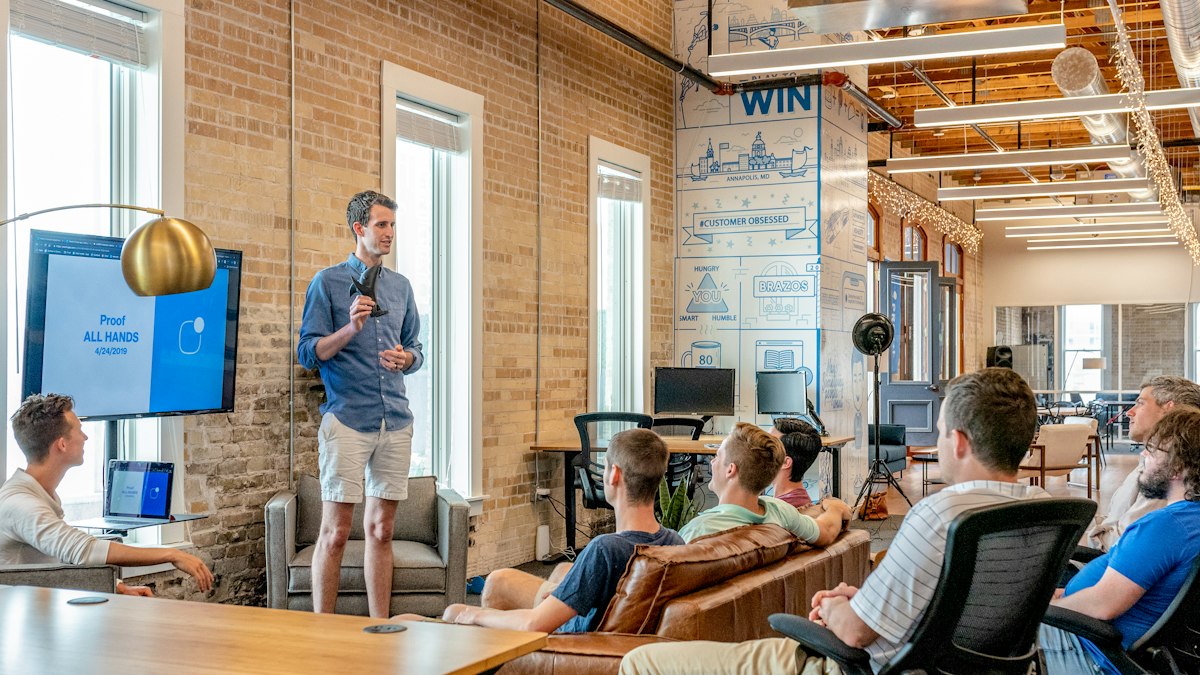
From Idea to Launch: How a Web Application Gets Built
What actually happens between 'I have an idea' and 'we're live'? Here's the real process behind building a web application, from first conversation to launch day.

Content Marketing Without the Hype: What Actually Works
Most content marketing advice is noise. Here's what actually works for service businesses — based on what we've seen drive real leads for 27 years.

SEO in the Age of AI: How to Get Found in 2026
Google search is changing. AI chatbots are answering questions directly. Here's what SEO looks like in 2026 — and how to get found when the search landscape itself is shifting.
Building for Performance: A Practical Guide to Fast Web Apps
Site speed affects everything from SEO to conversion rates to user satisfaction. Here's a practical, no-nonsense guide to building fast web applications.

Headless CMS: What It Is and When You Actually Need It
Headless CMS is the buzzword that won't die. Here's what it actually means, whether you need one, and when a traditional CMS is still the better choice.

Why Your Internal Tools Are Silently Killing Productivity
Spreadsheets, email chains, and copy-pasted data between systems are costing your team hours every week. Here's how custom internal tools can fix it.

The Real Cost of Building a Web Application in 2026
What does it actually cost to build a web application? Not the agency estimate — the real number. Here's an honest breakdown based on real projects.
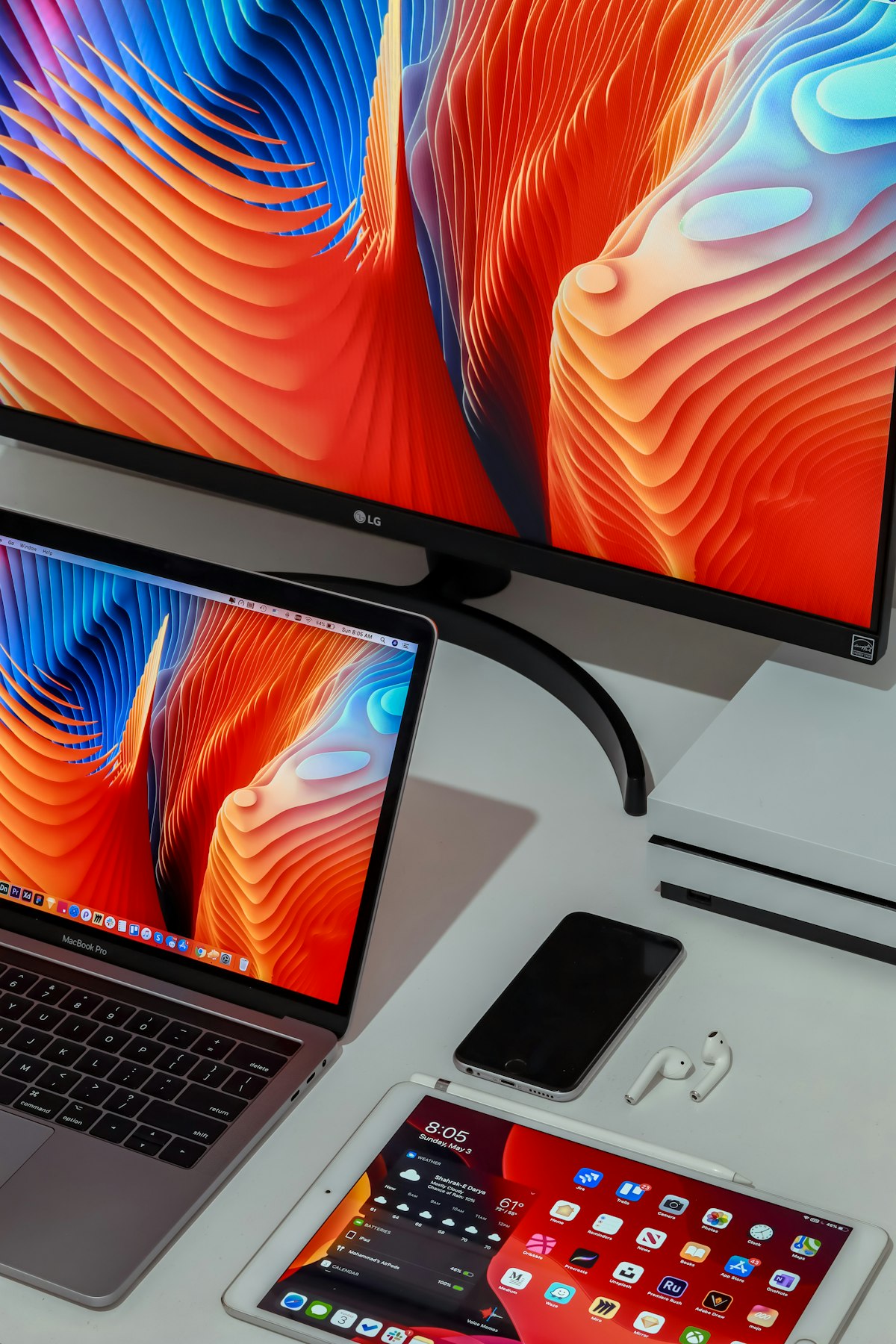
Mobile-First Is Not Mobile-Only: Designing for Every Screen
Designing mobile-first changed the web for the better. But treating mobile as the only screen that matters is a mistake. Here's how to design for the full range of devices.

The Case for Quiet Design in a Loud Internet
The internet is loud — pop-ups, auto-play videos, animated banners. Here's why quiet, restrained design wins attention by refusing to compete for it.

Color Theory for Brands That Want to Be Remembered
Color increases brand recognition by up to 80%. Here's a practical, jargon-free guide to choosing brand colors that actually work — for your website, your logo, and everything else.

When to Build Custom Software vs. Use Off-the-Shelf Tools
Should you build custom software or use an existing tool? The answer depends on five factors most businesses never consider. Here's a practical framework.

The Hidden Cost of Cheap Website Templates
A $50 template feels like a steal until you try to customize it, maintain it, or rank it on Google. Here's the real cost of starting with a template.

The Anatomy of a Brochure Website That Actually Converts
A brochure website is more than a digital flyer. Here's the structure, copy, and design choices that turn visitors into inquiries — based on 27 years of building them.
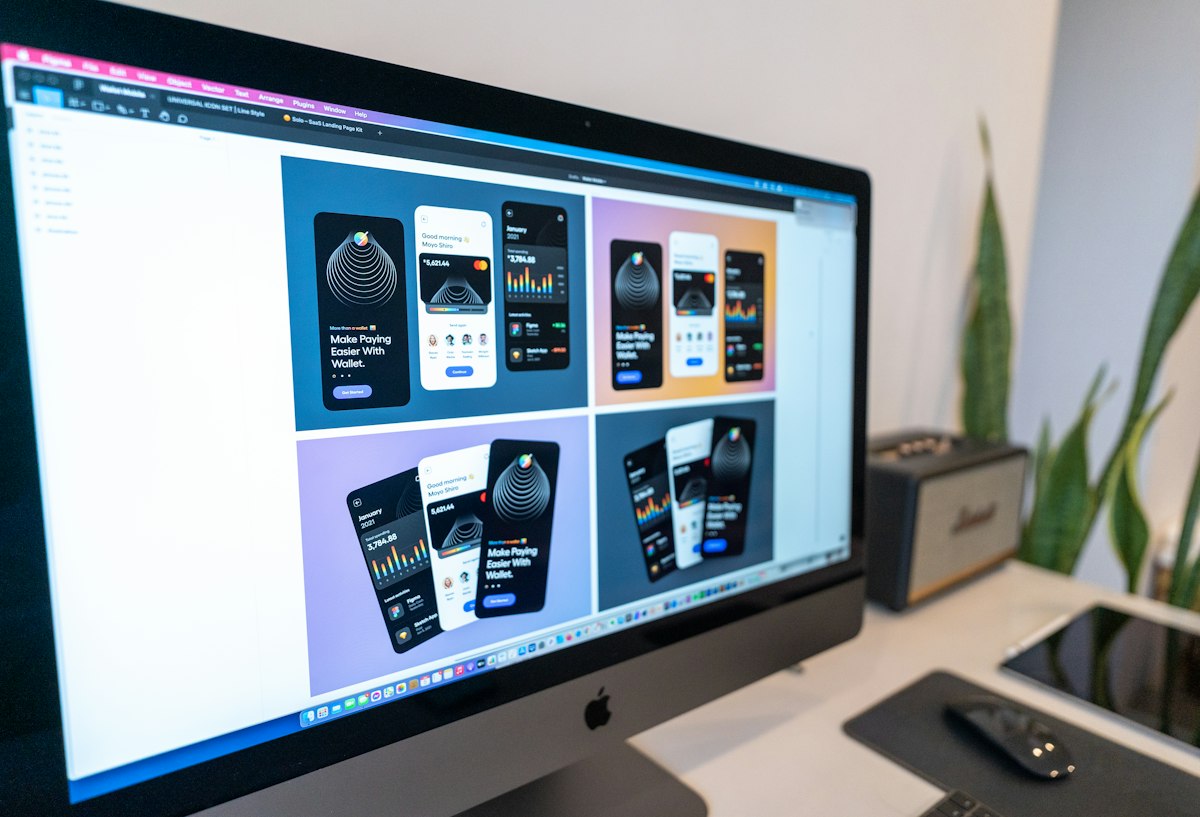
Designing for Trust: What Your Website Says Before Anyone Reads a Word
Visitors form a trust judgment in 0.05 seconds. Here's what your website communicates before a single word is read — and how to make sure it says the right thing.

Why Editorial Typography Matters More Than You Think
Typography is 95% of web design. Here's why editorial type choices — serif headlines, proper measure, and considered hierarchy — make your site feel premium without costing a fortune.

From Tables to Tensors: How Web Design Has Evolved Since 1998
Twenty-seven years in web design means watching the medium transform from table-based layouts and Flash animations to AI-driven experiences. Here's what we've learned — and what's stayed the same.